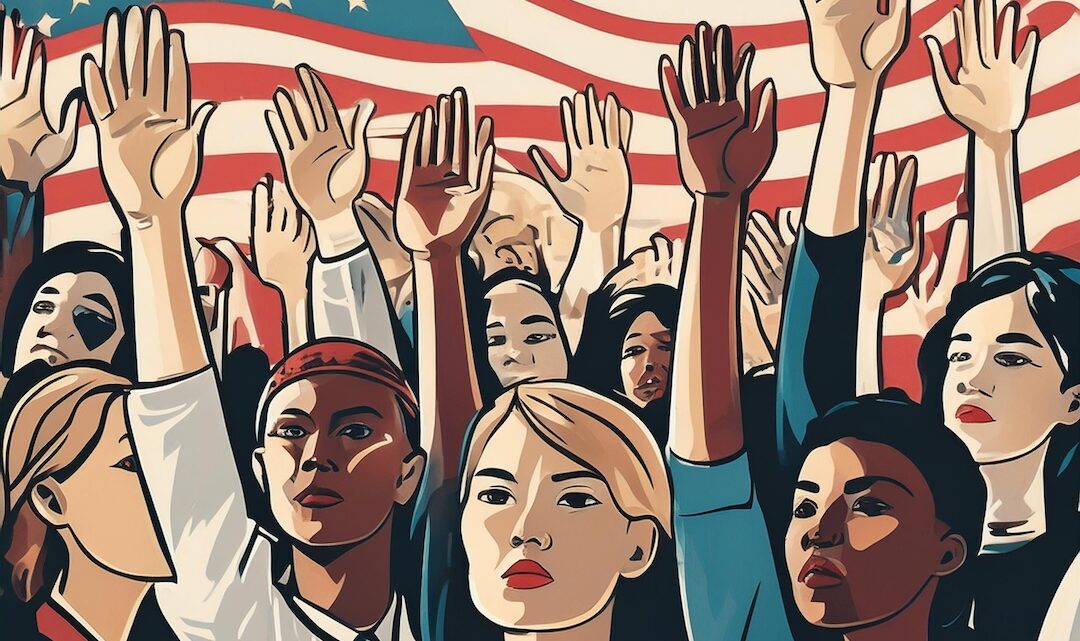
Freedom from Tyranny: Civil Disobedience?
When is Christian civil disobedience justified?
- Political disagreement, distrust, and hostility have become common features of public life. Some people believe government authority should rarely be questioned. Others view resistance as necessary whenever leaders make decisions they consider unjust.
The Bible offers a more careful answer.
- Christians are ordinarily called to respect and obey governing authorities. However, when a government commands what God forbids or forbids what God commands, believers must obey God. Even then, Christian civil disobedience should be peaceful, truthful, limited to the specific conflict, and accompanied by a willingness to accept the consequences.
America’s History of Civil Resistance
The United States was born from a dispute over government authority, representation, and individual liberty.
- In January 1776, Thomas Paine published Common Sense, a pamphlet urging the American colonies to separate from the British monarchy. The Library of Congress describes it as an influential publication that helped prepare public opinion for independence. Read Common Sense or learn more from the Library of Congress.
- The Continental Congress appointed a committee of five to prepare a declaration, and Thomas Jefferson wrote the initial draft. Congress adopted the Declaration of Independence on July 4, 1776.
- Contrary to a commonly repeated account, all 56 delegates did not sign the document that day. Most signed the engrossed parchment on August 2, while others added their names later. Review the Declaration’s history at the National Archives.
America’s founding illustrates the seriousness of resisting established authority. However, American history is not the Christian’s final authority. Scripture must determine when obedience is required and when disobedience becomes necessary.
Why Civil Liberties and Civil Rights Matter
Civil liberties protect individuals from improper government interference. The Constitution expressly protects rights that include religious exercise, speech, peaceful assembly, petitioning the government, and security against unreasonable searches and seizures.
Civil rights concern equal treatment and protection under the law. The Fourteenth Amendment prohibits states from denying any person due process or equal protection.
These protections provide lawful ways to oppose government action. Christians may vote, speak publicly, petition leaders, assemble peacefully, challenge a law in court, support new legislation, and seek the election of different officials. Exercising these rights is not necessarily civil disobedience.
What Does the Bible Say About Government Authority?
Government has a legitimate role in maintaining order, restraining wrongdoing, and promoting the public good.
Romans 13:1 (LSB) says:
Every person is to be in subjection to the governing authorities. For there is no authority except from God, and those which exist have been appointed by God.
Paul explains that governing authority is intended to act as God’s servant “for good.” Christians should therefore obey lawful authority, pay what they owe, and conduct themselves honorably.
However, this passage does not teach that every government action is righteous or that rulers possess unlimited authority. Government authority is derived from God and remains accountable to Him. No government has the right to replace God, demand worship, or require people to commit sin.
Jesus Recognized Both Human and Divine Authority
When Jesus was questioned about paying taxes, He answered:
Therefore, render to Caesar the things that are Caesar’s; and to God the things that are God’s.
Jesus recognized a legitimate obligation to civil government, but He did not give Caesar the place that belongs to God. Government may receive what it is lawfully owed, but worship, ultimate loyalty, and obedience to God belong to Him alone.
This distinction is central to understanding Christian civil disobedience.
Christians Should Pray for Their Leaders
The Christian’s first response to government should not be hatred, mockery, or reckless defiance. Scripture instructs believers to pray for those in authority.
First Timothy 2:1–2 (LSB) says:
First of all, then, I exhort that petitions and prayers, requests and thanksgivings, be made for all men, for kings and all who are in authority, so that we may lead a tranquil and quiet life in all godliness and dignity.
This command was written when believers lived under rulers who did not honor Christ. Christians are called to pray for leaders whether or not they voted for them, trust them, or approve of their policies.
First Peter 2:13–17 (LSB) similarly calls believers to submit to governing institutions, do good, honor all people, fear God, and honor the king.
When Is Christian Civil Disobedience Biblical?
Civil disobedience becomes biblically warranted when a governing authority directly commands a Christian to disobey God or prohibits obedience to a clear command of God.
The controlling principle appears in Acts 5:29 (LSB):
We must obey God rather than men.
The apostles had been ordered to stop teaching in the name of Jesus. Because Christ had commanded them to proclaim the Gospel, complying with the authorities would have required disobedience to God.
They did not resist teaching merely because the order was inconvenient, unfair, or politically unpopular. They faced a direct conflict between a human command and a divine command.
Biblical Examples of Civil Disobedience
Scripture provides several examples of people who refused to obey an ungodly order.
The Hebrew Midwives Protected Human Life
Pharaoh commanded the Hebrew midwives to kill newborn boys. They feared God and refused to carry out his order.
Exodus 1:17 (LSB) demonstrates that obedience to government is not required when authorities command the intentional killing of innocent people.
Shadrach, Meshach, and Abed-nego Refused Idolatry
King Nebuchadnezzar commanded his subjects to worship a golden image. Shadrach, Meshach, and Abed-nego refused, even though they faced death in a furnace.
They did not know whether God would rescue them, but they knew they could not worship an idol. Their response in Daniel 3:16–18 (LSB) shows that believers must not give worship to anyone or anything other than God.
Daniel Continued to Pray
Daniel continued praying to God after the king issued a decree prohibiting petitions to anyone other than the king for 30 days. Daniel did not become violent or organize a rebellion. He simply continued obeying God and accepted the resulting punishment.
Read Daniel 6:7–23 (LSB).
The Apostles Continued Proclaiming Christ
The apostles refused an order to stop teaching about Jesus. They continued their ministry and accepted arrest, threats, and physical punishment rather than abandon Christ’s command.
Their example in Acts 5:27–42 (LSB) establishes a clear principle: Human authority cannot cancel an explicit command from God.
What Does Not Justify Civil Disobedience?
Not every disagreement with government creates a biblical right to disobey.
Civil disobedience is not automatically justified by:
- Disliking a political leader.
- Believing a policy is unwise or inefficient.
- Experiencing inconvenience or financial cost.
- Disagreeing with a tax or regulation.
- Suspecting that officials have improper motives.
- Following the expectations of a political party.
- Feeling angry, afraid, or offended.
- Encountering a law that does not reflect Christian values but does not require personal sin.
Christians should not describe every disputed policy as tyranny. Strong claims require specific evidence, careful reasoning, and biblical support.
A believer must be able to identify the particular command of God that obedience to the government would violate. Personal preference and partisan loyalty are not substitutes for Scripture.
How Should Christians Practice Civil Disobedience?
When disobedience becomes necessary, a Christian’s conduct should continue to honor Christ.
Disobedience Should Be Limited
Believers should refuse the specific command that conflicts with God while continuing to obey legitimate authority in other areas. One unlawful or immoral order does not automatically justify rejecting every law.
Disobedience Should Be Peaceful
Christians should not use biblical conviction to excuse hatred, threats, destruction, or personal revenge. Romans 12:17-21 (LSB) instructs believers to pursue peace and refuse retaliation:
Never paying back evil for evil to anyone, respecting what is good in the sight of all men, if possible, so far as it depends on you, being at peace with all men, never taking your own revenge, beloved—instead leave room for the wrath of God. For it is written, ‘VENGEANCE IS MINE, I WILL REPAY,’ says the Lord. ‘BUT IF YOUR ENEMY IS HUNGRY, FEED HIM, AND IF HE IS THIRSTY, GIVE HIM A DRINK; FOR IN SO DOING YOU WILL HEAP BURNING COALS ON HIS HEAD.’ Do not be overcome by evil, but overcome evil with good.
Disobedience Should Be Truthful
A righteous objective does not justify lying, manipulating evidence, spreading unsupported accusations, or misrepresenting opponents.
Disobedience May Carry Consequences
Daniel, the apostles, and other faithful believers understood that obeying God could bring punishment. A Christian who practices civil disobedience should not assume that faithfulness guarantees freedom from legal or personal consequences.
Lawful Remedies Should Be Considered
When time and circumstances permit, Christians should consider lawful options such as appeals, court challenges, elections, petitions, peaceful assembly, and requests for religious accommodation.
Legal requirements vary by jurisdiction and circumstance. Anyone facing a specific legal conflict should obtain advice from a qualified attorney.
Questions to Ask Before Disobeying
Before engaging in Christian civil disobedience, ask:
- What exactly is the government requiring or prohibiting?
- Which clear biblical command would compliance violate?
- Have I read the relevant Scripture in context?
- Am I confusing political preference with biblical conviction?
- Have I sought wise counsel from mature believers?
- Are lawful remedies available?
- Can I respond peacefully, truthfully, and respectfully?
- Am I willing to accept the consequences?
- Is my motivation love for God and others—or anger, fear, pride, and party loyalty?
These questions cannot remove every difficulty, but they can expose impulsive or poorly supported reasons for disobedience.
Freedom from Tyranny Begins with Obedience to God
Political freedom is valuable, but it is not the Christian’s highest good. Our ultimate hope does not rest in a political party, court, elected official, or system of government. It rests in Jesus Christ.
Christians should resist genuine evil, use lawful freedoms responsibly, defend their neighbors, and speak the truth. At the same time, we must refuse the hostility, dishonesty, and contempt that increasingly characterize political life.
We are called to live as free people without using freedom as a covering for evil. Read 1 Peter 2:16 (LSB).
Key Takeaway
The normal Christian responsibility is to obey civil authority, pray for leaders, do good, and pursue peace.
Christian civil disobedience is justified when a government directly commands what God forbids or forbids what God commands. Such disobedience should be narrow, peaceful, truthful, respectful, and willing to accept the consequences.
Our ultimate allegiance belongs to God.
Learn More
To continue studying what the Bible teaches, you may also enjoy these related articles on TreasureTop:
If you or someone you know needs prayer, send TreasureTop a prayer request.
Send Us Your Prayer Request
2 Questions Many Ask
- Am I Truly Saved? Discover the answer — 👉 Click here.
- Why Self-Help Books Don’t Work Long-Term: 👉 Find out. Click here.
Prayer Request?
- If you have a prayer request or comments, 👉 click here.
Find Us Here
- Visit our YouTube channel by clicking here.
- Visit our Facebook page here.
- Subscribe to our audio podcasts:
Scripture quotations taken from the New American Standard Bible 1995® (NASB), Copyright © 1960, 1962, 1963, 1968, 1971, 1972, 1973, 1975, 1977, 1995 and from the Legacy Standard Bible © 2021 by The Lockman Foundation. All rights reserved. www.lockman.org